


In the world of tourism, few accolades carry as much prestige as the World Travel Awards, often described as the Oscars of the travel industry. The awards recognize excellence across global tourism, hospitality, destinations, and travel brands.
Now, for the first time in history, Tanzania is preparing to host one of its most prestigious ceremonies, a milestone moment that places the country at the center of the global tourism conversation.
The awards will gather tourism ministers, hotel brands, airlines, travel investors, media, and industry leaders from around the world, all arriving to witness Africa’s tourism excellence – and to experience Tanzania firsthand.
Tanzania has recently intensified its global tourism promotion through the “Tanzania Unforgettable” campaign, strategically positioning the country on some of the world’s most influential travel platforms. At the prestigious ITB Berlin, one of the largest and most important travel trade fairs globally, the Tanzania Tourist Board hosted a major destination marketing booth that attracted international tour operators, travel buyers, investors, and media from around the world.

For a nation already known for the Serengeti National Park, Mount Kilimanjaro, and the beaches of Zanzibar, hosting the event represents something even bigger:a strategic opportunity to transform global perception into economic growth.
The event also marked a broader regional push as the East African Community unveiled the first promotional video for its regional tourism brand, “Visit East Africa – Feel the Vibe.” Premiered at Tanzania’s booth, the campaign highlights East Africa’s diverse landscapes, wildlife, cultures, and travel experiences while positioning the region as a competitive multi-destination tourism hub. Complementing this launch, the EAC intensified digital promotion of the brand, with a recent regional campaign generating more than nine million social media impressions, including over 60 destination reels and co-branded content with national tourism boards. Together, these efforts reinforce Tanzania’s role at the heart of East Africa’s tourism momentum and strengthen its position as one of the continent’s fastest-growing travel destinations.
Tourism remains one of Tanzania’s strongest economic pillars and one of the most powerful drivers of international trade in services across East Africa. Beyond showcasing destinations, global tourism events create real economic momentum by boosting global visibility, attracting investment, strengthening destination marketing, and generating employment across multiple sectors including hotels, tour companies, transport services, restaurants, cultural tourism enterprises, and even real estate development.
In Tanzania, the sector’s impact is particularly significant. By 2025, tourism earnings reached a record US$4.2 billion, while the industry contributed around 17–21 percent of the national GDP and over 30 percent of foreign exchange earnings, making it one of the country’s largest economic engines. The sector directly and indirectly supports more than 1.5 million jobs, while stimulating growth in related industries such as logistics, finance, digital payments, and the creative economy. Tourism connects markets, unlocks investment opportunities, and sustains millions of livelihoods. Moments like Tanzania hosting the World Travel Awards amplify the economic power of tourism and position the country to expand its influence within the global travel economy.
For a nation already celebrated for the breathtaking plains of Serengeti National Park, the towering peak of Mount Kilimanjaro, and the turquoise shores of Zanzibar, hosting the World Travel Awards represents something far greater than a ceremonial gathering — it is a strategic opportunity to transform global admiration into tangible economic growth. Tanzania’s hosting moment arrives at a time when the country’s tourism reputation is stronger than ever.
At the 2025 World Travel Awards Global Grand Final held in Bahrain, Tanzania secured remarkable international recognition, winning World’s Leading Safari Destination, World’s Leading National Park – Serengeti, Africa’s Leading Destination, Africa’s Best Corporate Retreat Destination – Zanzibar, and Africa’s Leading Mountain National Park – Mount Kilimanjaro. From sweeping savannahs and majestic mountains to vibrant cities, coastal islands, and rich cultural heritage, Tanzania presents a travel experience that few destinations can rival.
To leave a lasting global impression as the world turns its attention to the country, several cities stand out as powerful ambassadors of this diversity.
Zanzibar – The icon of Indian Ocean luxury

Zanzibar remains Tanzania’s most internationally recognizable tourism brand, famed for its white-sand beaches, luxury resorts, historic Stone Town, cultural experiences, and legendary spice tours — a reputation reinforced by its title as Africa’s Leading Beach Destination.
Arusha

Inland, Arusha stands proudly as the safari capital of Africa, serving as the gateway to the northern tourism circuit that connects travelers to Serengeti National Park, Ngorongoro Conservation Area, Tarangire National Park, and Mount Kilimanjaro — for many visitors, it is where the Tanzanian adventure truly begins, the cradle of mankind.
Dar es Salaam

Meanwhile Dar es Salaam, the country’s bustling commercial capital, offers the infrastructure necessary for global events, with international conference venues, five-star hotels, major port and airport connections, and a thriving dining and nightlife scene that reflects Tanzania’s modern urban energy.
Mwanza

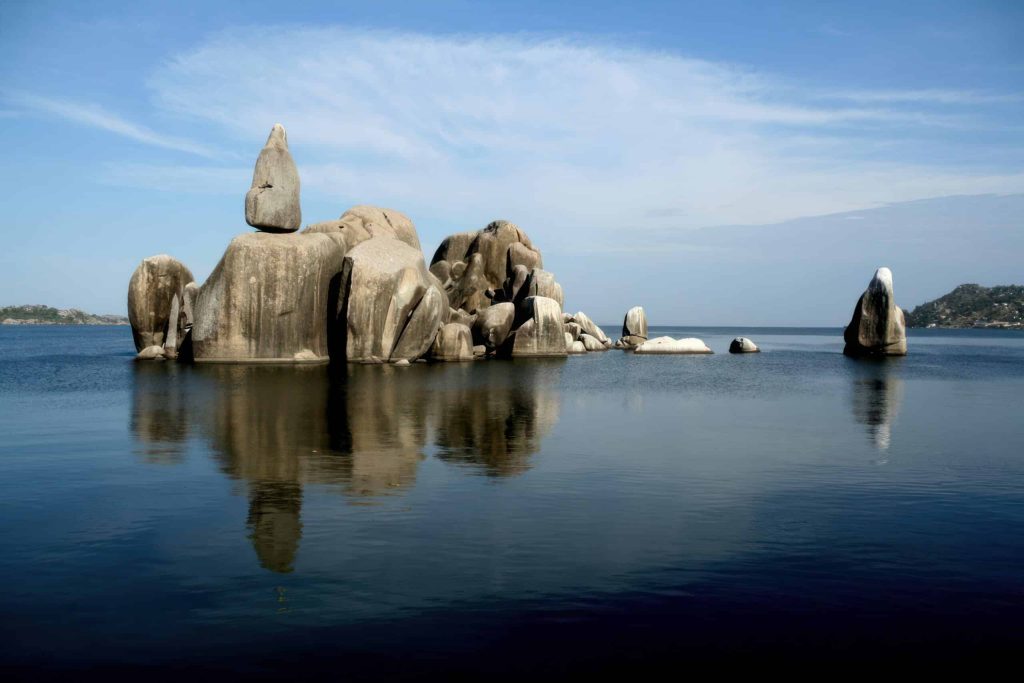
As a bonus destination, Mwanza, perched along the shores of Lake Victoria, represents Tanzania’s hidden gem — offering unique lake tourism, access to the western corridor of Serengeti National Park, and dramatic granite landscapes that could, with strategic investment and promotion, position the city as the country’s next great tourism frontier. Together, these destinations embody the diversity, beauty, and potential that Tanzania will proudly showcase to the world.
To truly maximize this historic moment, both Tanzanians and the government must view hosting the World Travel Awards as far more than a single evening of celebration. It should become a coordinated national marketing campaign running from now until December, mobilizing the entire tourism ecosystem. A powerful digital push can amplify Tanzania’s visibility across global platforms, while tailored travel packages combining safari, beach, and cultural experiences can attract visitors eager to explore the country during the awards season.
The private sector also plays a critical role: hotels, tour operators, airlines, and restaurants must prepare to deliver world-class hospitality through international service standards, strategic travel deals, and tourism partnerships that elevate the visitor experience. At the same time, the Tanzanian diaspora can become passionate ambassadors, promoting the country across international networks and markets.
Cultural tourism showcases, from music and cuisine to art and heritage, can further demonstrate the richness and diversity that define the Tanzanian experience. If leveraged wisely, this moment could signal the beginning of a transformative era, one in which Tanzania evolves from being celebrated primarily as Africa’s safari icon into one of the world’s most influential and powerful tourism brands.